Style · 5 min read
How to choose wedding attire that lets you be present
Start with how you want to move through the day, then make visual choices that feel like your own.
Read the guide →Style · 6 min read · Updated August 2026
Use a few honest prompts to create a cohesive look without chasing every trend.
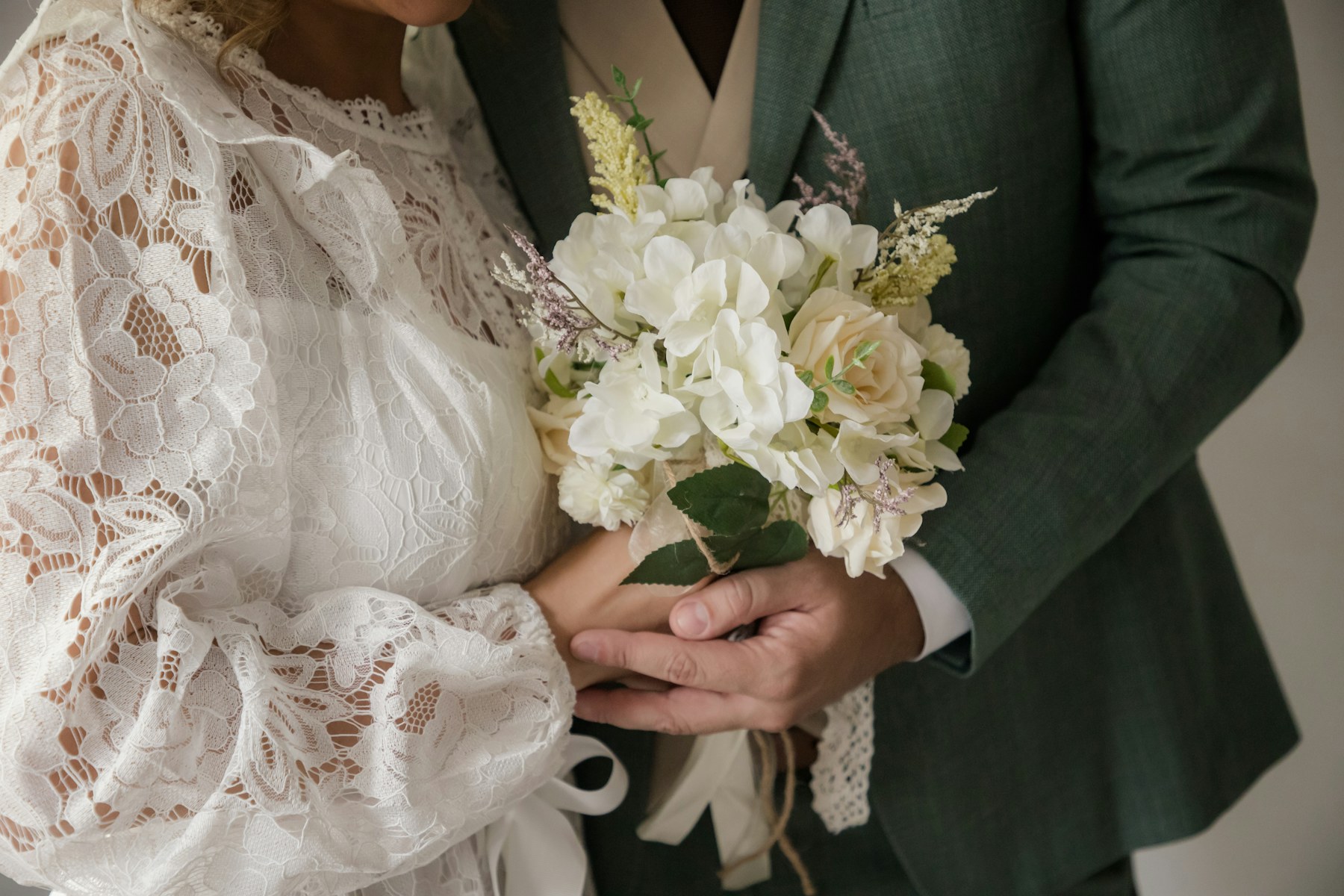
Style can be a helpful shorthand for atmosphere, but it does not need to become a rulebook. A celebration can be personal, coherent and welcoming without matching a named aesthetic or every image you have saved. Start with what feels familiar and meaningful to you, then use a small set of choices to guide the rest.
Instead of searching for the perfect style name, describe the emotional temperature of the day. You might choose words such as warm, playful, quiet, generous, festive, unfussy, dramatic, intimate or bright. Ask what you hope guests will notice when they arrive and how you want to feel while moving through the day. These answers create a filter that is more flexible than trying to reproduce a single image in a different place and season.
Look beyond wedding images for clues. Think about rooms where you like to spend time, meals you enjoy hosting, clothing you reach for when you want to feel like yourself, places from your family history, art, books, landscapes or music. Notice repeating qualities: soft light, useful objects, deep colors, simple shapes, abundant food, clean lines, old photographs, garden textures or a lively mix of people. The source does not need to be traditionally bridal to be useful.
If you are planning with another person, give each person room to name what matters to them. One person may care deeply about a garment, another about music or flowers, and another about making guests comfortable. Style becomes more inclusive when it is not treated as one person's visual project. A shared direction can hold several tastes without flattening them into a single trend.
A limited toolkit keeps decisions easier. Start with one or two main colors, a neutral or grounding tone, and perhaps one accent you can use sparingly. Then choose a few qualities rather than exact replicas: brushed metal instead of a specific object, loose seasonal greenery instead of a particular arrangement, or matte paper instead of a copied invitation. This leaves room to adapt to what is available and what fits your budget.
Texture can do as much work as color. Linen, wood, ceramic, glass, paper, ribbon, stone, patterned fabric or greenery each suggest a different feeling. You do not need many textures at once. Repeating a few across paper goods, tables, clothing or signs can make the day feel considered without requiring every item to match. Let practical needs lead: a material should be comfortable, safe and workable in the setting before it becomes decorative.
Choose typography and signage with guests in mind. Readable type, useful directions and clear names often make a stronger impression than elaborate wording. If you use more decorative lettering, reserve it for a small feature and keep essential information simple. The same principle applies to any cultural or family detail: explain what guests need to know with warmth, without turning meaningful traditions into a performance for people who are unfamiliar with them.
A style direction should work with the place rather than compete with it. Notice existing colors, light, architecture, furniture, landscape and the amount of space available. You may decide that a room already has enough character and needs only a few thoughtful additions. Or you may find that a simple setting benefits from more warmth through lighting, textiles or flowers. Both approaches can feel intentional when they respond to the actual environment.
Plan for the weather and pace of the day early. Clothing that looks beautiful but limits movement, flowers that need conditions you cannot provide, or decor that cannot withstand wind may create unnecessary pressure. Comfort is not separate from style. Shoes you can stand in, layers for changing temperatures, seating for guests, shade, water and accessible paths all contribute to an atmosphere where people can relax.
Resist the idea that every space must be decorated. Leave breathing room around a ceremony, a meal or a dance floor so people can see one another and move easily. A few well-placed elements can direct attention toward what matters. If you are uncertain about adding something, ask whether it helps guests understand the moment, makes the space more comfortable, or simply fills an anxious gap.
Inspiration can be useful until it starts making every choice feel inadequate. Set boundaries around searching if you notice that you are collecting more ideas than decisions. You might save only references that answer a current question, choose a time limit for browsing, or keep a small folder of final directions and archive the rest. A decision becomes easier when it does not have to compete with every image on the internet.
Use a simple question when you are between options: does this feel like us, does it work for the day we are hosting, and can we choose it without creating strain? If the answer is yes, it is allowed to be enough. You do not need external approval for a quiet choice, an unconventional choice, a reused item or a detail that only your closest people will understand.
As plans come together, look for gentle repetition rather than perfect uniformity. A similar tone in paper and linens, a recurring flower or shape, a shared approach to lighting, or a consistent way of welcoming guests can be plenty. The most enduring style choice is usually the one that lets you be present. Guests tend to remember how a gathering felt more than whether every detail matched.
Source notes
Original 4Weddings editorial guide migrated from the launch collection.