Planning · 6 min read
A wedding planning timeline that leaves room to breathe
A practical sequence for turning a big occasion into manageable next steps.
Read the guide →Planning · 5 min read · Updated August 2026
Give guests useful information and meaningful time together without turning every hour into an obligation.
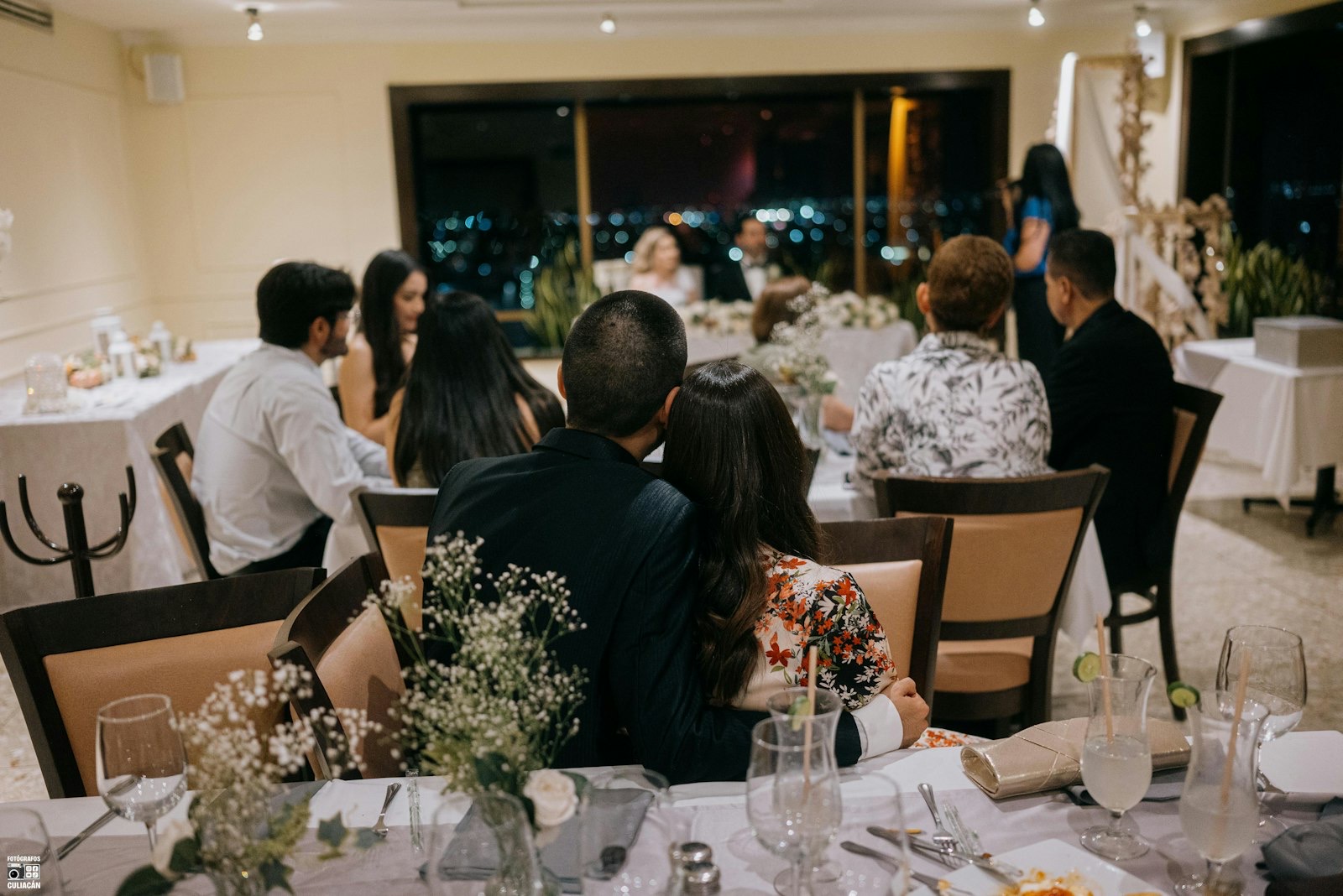
Plan the main celebration first, then add only the gatherings that serve a clear purpose: welcoming people, sharing a tradition, feeding people after travel, or making room for a smaller conversation. Label optional events plainly, protect rest and travel time, and give guests enough information to make their own comfortable choices.
A wedding weekend can be generous without being full. Before creating events around the ceremony or reception, ask what you want the extra time to do. Perhaps many guests are traveling and you want a simple welcome. Perhaps you need a quiet meal with immediate family, time for a cultural or religious practice, or a chance to see friends who cannot stay late. Naming the purpose helps you decide whether an event belongs on the schedule.
Treat the wedding itself as the anchor. Note the actual demands around it: arrivals, getting ready, setup, meals, transportation, photography, ceremony, reception, cleanup and recovery. Then look for the natural open spaces rather than assuming every gap needs programming. Guests may need time to check in, sleep, find food, care for children, call home, observe a religious practice or simply be alone for an hour.
A modest plan is easier to communicate. It also allows the unexpected good moments to happen: two relatives talking over coffee, friends exploring a neighborhood, or a quiet walk before the day begins. Those moments do not need a formal invitation to matter.
If you add a welcome drink, casual meal, outing or farewell brunch, describe it accurately. Include the time, location, whether food is provided, whether people need to pay for themselves, access information and whether attendance is optional. “Optional” should mean guests can decline without needing an explanation or apology.
Keep the format proportionate to the purpose. A welcome event can be a short gathering in a public space or a simple hosted meal; it does not have to become a second reception. A farewell can be a suggested café window rather than a reserved restaurant. If an event requires a reservation, a ticket or specialized clothing, say so early and make it easy for people to opt out.
Be mindful that guests will have different resources and energy. A schedule that assumes everyone can arrive days early, spend freely, stay out late or move quickly can leave people feeling excluded. Build hospitality through information and flexibility: a nearby grocery option, a simple local map, a note about transit, a quiet alternative, or permission to join only the part that works.
The couple and any close helpers are guests in the weekend too. Keep one or more blocks with no public obligation before the ceremony. Eat actual meals, gather what you need for the next day, and let people who are not central to setup enjoy their own time. A rehearsal dinner or family meal may be meaningful, but it does not need to extend late simply because the next day is important.
Assign practical responsibilities before the weekend starts. One person can answer lodging questions; another can keep an eye on a casual welcome gathering; a venue contact can handle deliveries. Share only the information each person needs. A detailed schedule can be useful for the people running the day, while guests usually need a simpler version with locations, times and a contact for urgent questions.
Consider transport and transitions as events in their own right. If guests must move between locations, estimate the travel honestly and leave a buffer. If a group activity ends shortly before a formal event, some guests may not have time to change, rest or navigate unfamiliar streets. Reducing a transition can be more welcoming than adding another attraction.
Create one guest-facing schedule with the essentials. Put the main celebration first, then list any optional events with clear labels. Include addresses, access details, parking or transit information if helpful, a weather note if the event is outdoors, and a contact who is not one of the people getting married whenever possible.
Give your wedding party, family or vendors a more detailed version only if they need it. Their document might include arrival windows, roles, vendor contacts and setup notes. Separating the two versions prevents guests from worrying about logistics that are not theirs to manage and helps helpers find the information they actually need.
As plans change, update one source of truth rather than sending several conflicting messages. A simple webpage, shared document or email update can work. Keep the tone direct: “The welcome is now indoors at…” or “The walk is canceled because of weather; please join us at…” Clear information is a form of care.
Source notes
This is an original service guide based on editorial planning judgment. It makes no time-sensitive external factual claim and therefore has no inline citation. See `SOURCE-LEDGER.md` for the deterministic source mapping and editorial-method record.